
A Short HISTORY
Everything began with my father’s camera, a Voigtländer, a long time ago…
The Voigtländer Vito B, introduced in the 1950s, was engineered as a compact, fully mechanical viewfinder camera built around a fixed 35mm Color-Skopar lens. Its leaf shutter, simple zone‑focus system, and robust metal construction made it a dependable tool for everyday photography.
Thanks to its balance of optical quality, portability, and reasonable cost, it quickly became a popular choice among amateur photographers across Europe and well beyond.

Like many photographers of my generation, I eventually moved from film—prints and slides—to the first wave of consumer digital cameras. Those early sensors offered such limited resolution and dynamic range that they often felt more like technical curiosities than serious photographic tools.
Over the years, I’ve worked with a wide range of systems: Cosina, Olympus, Canon, Sony, Ricoh, and Nikon, from pocketable compacts to full‑sized DSLRs. Each brand had its own philosophy—ergonomics, color science, autofocus behavior—and exploring those differences shaped the way I shoot. The real turning point came when I bought my first mirrorless body, the Sony A7II, which opened the door to full‑frame digital photography in a much smaller form factor.
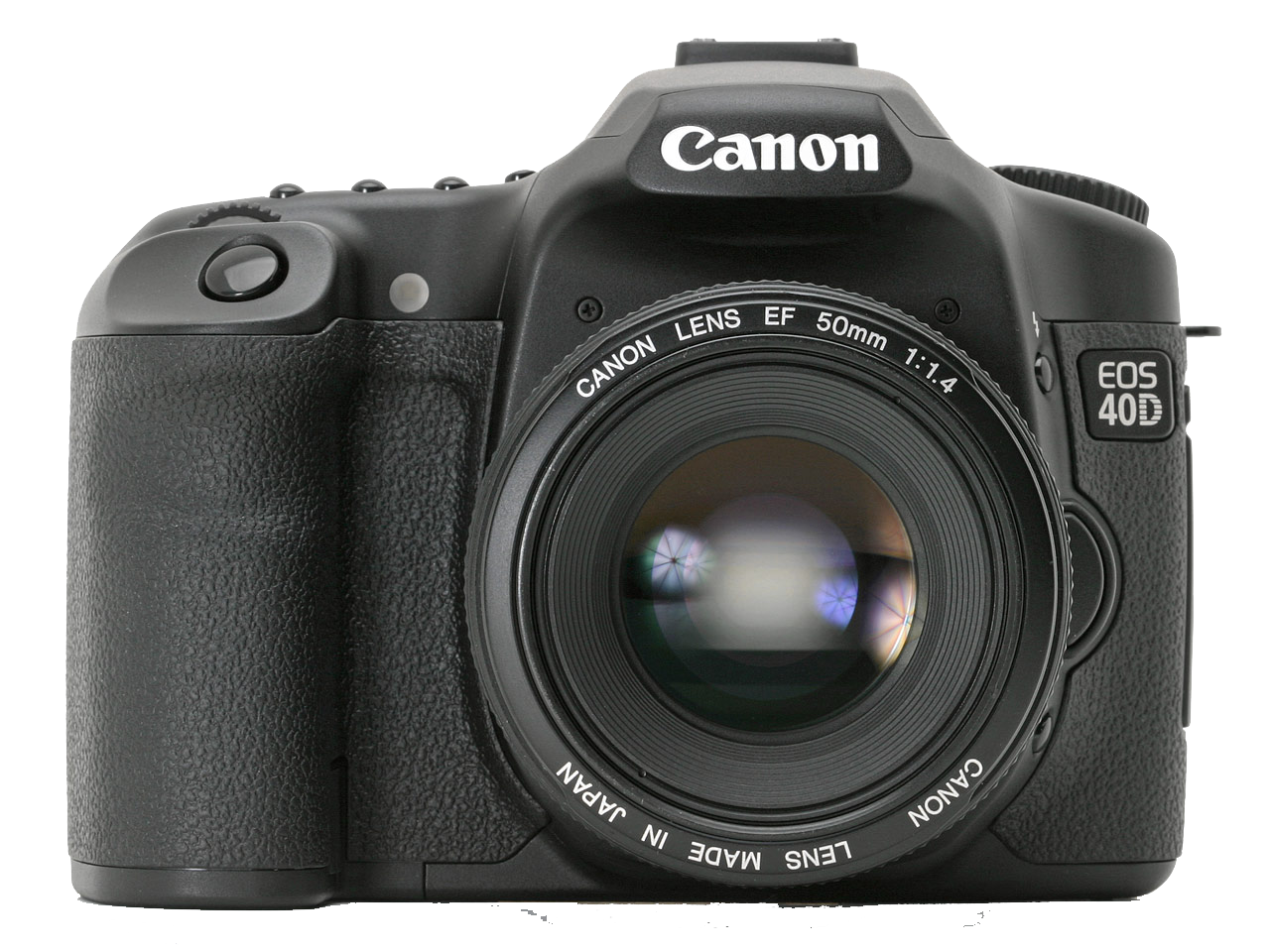
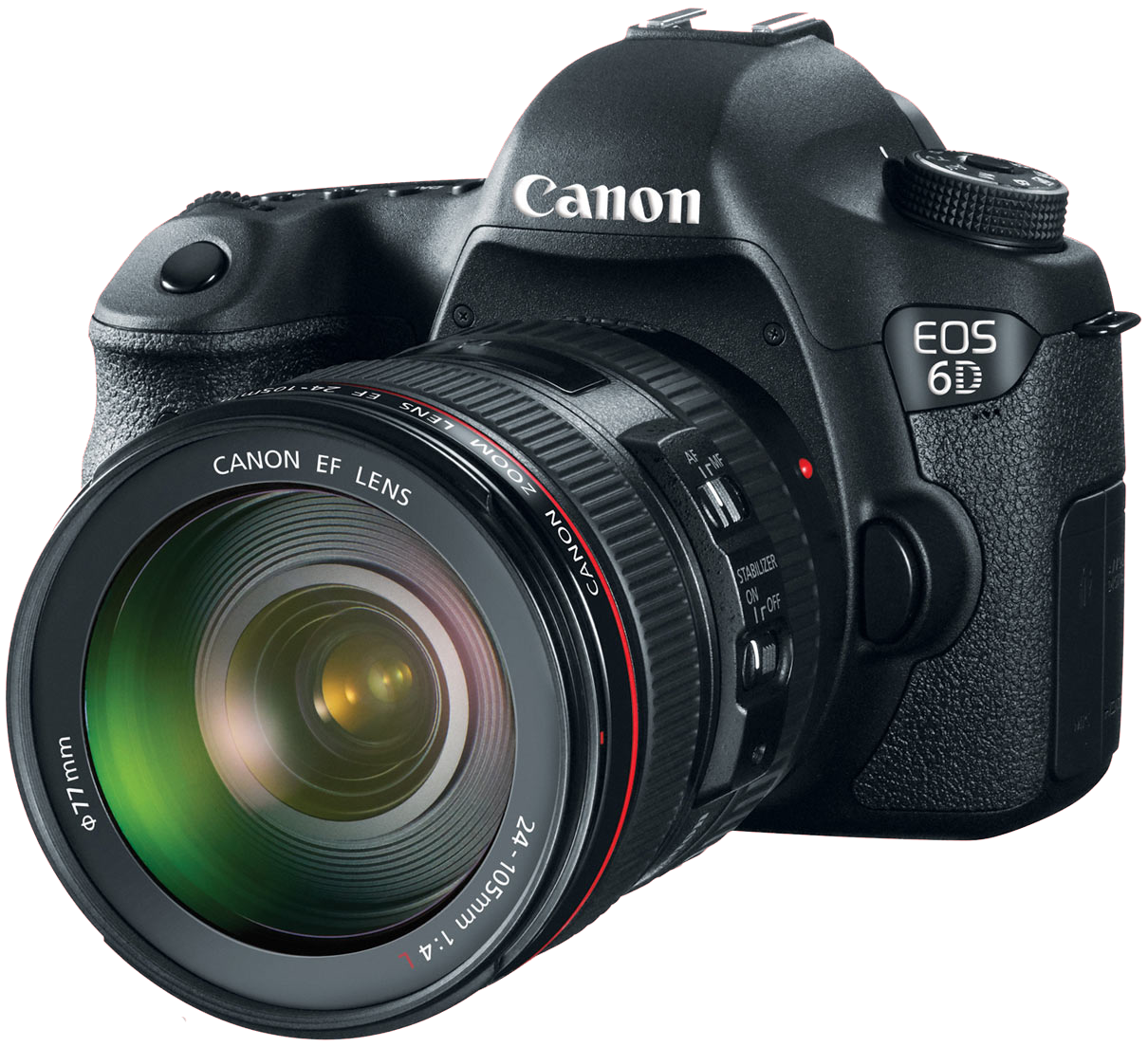
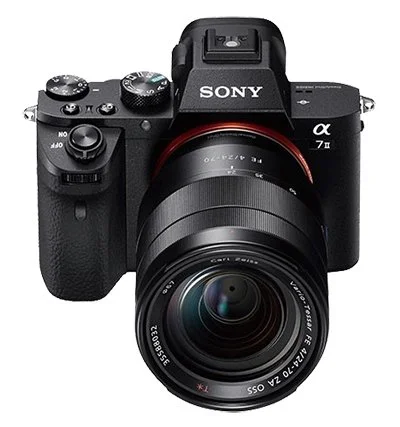
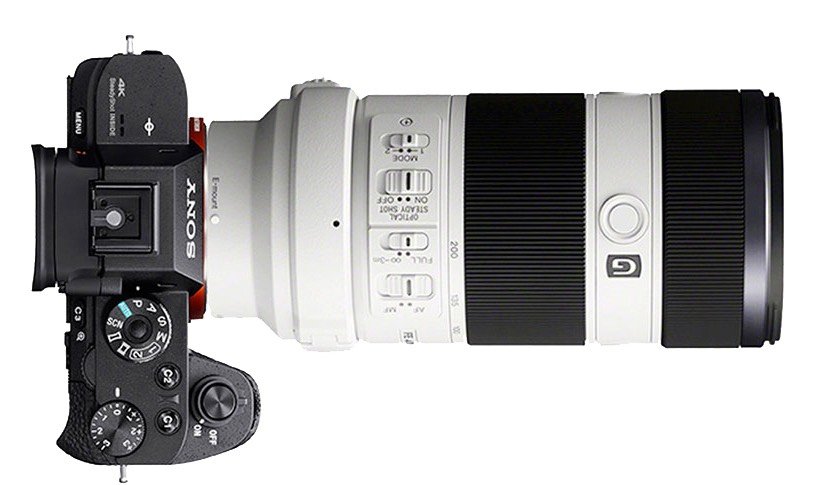
Today, my primary camera is the Leica Q3, a fixed‑lens full‑frame system that I rely on mainly for street photography. Its combination of a fast 28mm lens, responsive autofocus, and excellent low‑light performance makes it ideal for the kind of spontaneous shooting I enjoy. When I travel, I usually bring the Sony a7R IV paired with the 24–105mm zoom. That setup gives me the flexibility to cover everything from wide architectural scenes to tighter portraits without changing lenses.
I’ve owned many cameras and lenses, and I’ve cherished each one.
Exhibitions
Photography, for me, has never stayed only on screen. Since 2011 I've taken part in several group exhibitions at Espai [b], a contemporary art gallery in Barcelona's Gràcia neighbourhood, alongside close friends Jordi Comes and Benet Solina.
It started small: a single photograph in my first show in 2011. In 2016, I contributed twelve images from New York to En Sèrie. By the 2023–24 Christmas group show, that had grown to twenty. In the most recent edition, 100x100PHOTO (January–February 2025), I exhibited over a hundred.
Espai [b] is planning a new edition later in 2026 — another chapter to add to this one.
![Espai [b] gallery storefront at dusk, Barcelona, during the 100x100PHOTO exhibition, January 2025](https://images.squarespace-cdn.com/content/v1/64dfbf49d42d87028fe5fae0/b48d3ede-ae1a-4fc1-916a-f457bb17c347/Espai%5Bb%5D-gallery-storefront-at-dusk.jpg)
Espai [b] gallery storefront at dusk, Barcelona, during the 100x100PHOTO exhibition, January 2025
Contributions
Contributing writer at 35mmc, a community photography blog.