Battersea Power Station — Architecture Photography in London
ORIGINALLY PUBLISHED SEP 2023 — UPDATED MAY 2026
Battersea Power Station — More Than a Building
The first time I laid eyes on Battersea Power Station from across the Thames, I stopped walking. I just stood there. Four massive chimneys pointing at a grey London sky, the worn brick façade half-swallowed by scaffolding and cranes — and yet there was something overwhelming about it. A beauty that comes from scale, from age, from the weight of the past.
I had to get closer.
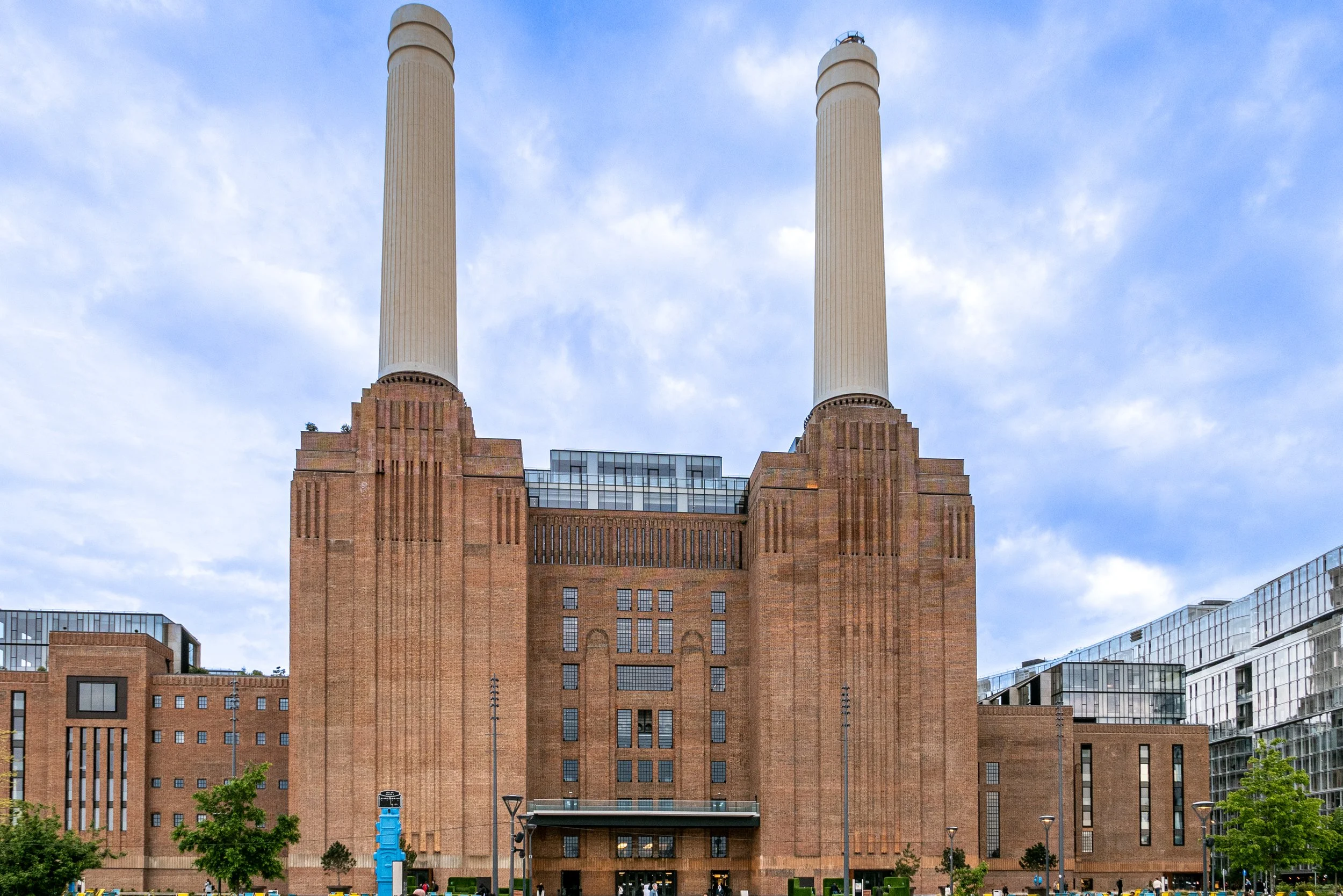
Battersea Power Station exterior with its four iconic chimneys, London – bCLPhoto
A Building That Asks to Be Photographed
Photographing Battersea is both a privilege and a challenge. The interiors — especially the legendary Control Room B, now a bar — are jaw-droppingly beautiful, all Art Deco detailing and industrial grandeur. But the light inside is deliberately theatrical: warm, dramatic, and often very low.
I found myself pushing my Sony a7R IV hard. Wide apertures wide open — f/1.8, f/2 — to soak up every scrap of available light. And when that wasn't enough, I let the ISO climb. 3200. 6400. You accept a little grain when the alternative is missing the shot. In spaces like Control Room B, noise feels almost appropriate — it suits the texture of the place.

Battersea Power Station viewed from the River Thames, London – bCLPhoto
Outside, the scale of the building creates its own compositional problems. How do you frame something this large? I kept pulling back, walking further away, looking for angles that compressed the four chimneys against the sky or caught the Thames reflections at golden hour. Some of my favourite frames came from the riverside walk to the east, where the brick mass looms over you in a way that feels almost cinematic.
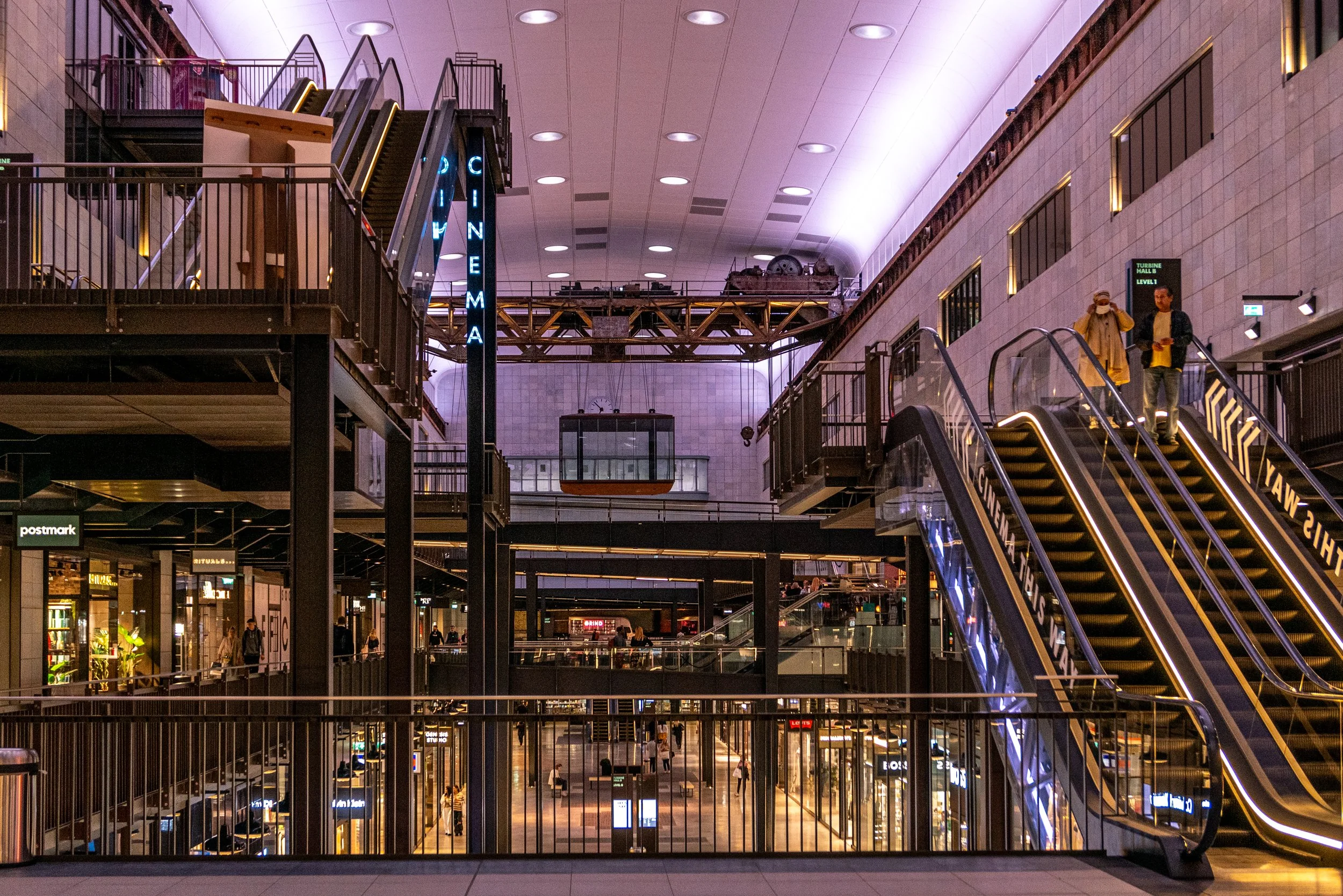
Interior of the redeveloped Battersea Power Station, London – bCLPhoto
It's also a building with a remarkable cultural afterlife. In 1977, Pink Floyd placed an inflatable pig between the chimneys for the cover of Animals — one of the most recognisable album images in rock history. That image burned Battersea into popular consciousness long before anyone thought of turning it into apartments. Standing under those chimneys with a camera, you feel that history without anyone having to explain it to you.

Art Deco interior details, Battersea Power Station, London – bCLPhoto
A Little History
Battersea Power Station was built in two phases — Battersea A between 1929 and 1935, and Battersea B between 1937 and 1955 — to a design by Giles Gilbert Scott, the same architect behind Bankside Power Station (now Tate Modern) and the iconic red telephone box. For decades it generated electricity for much of London before closing in 1983. What followed was nearly forty years of decay, false starts, and failed redevelopment plans — a long, slow decline that somehow made the building more mythical, not less.
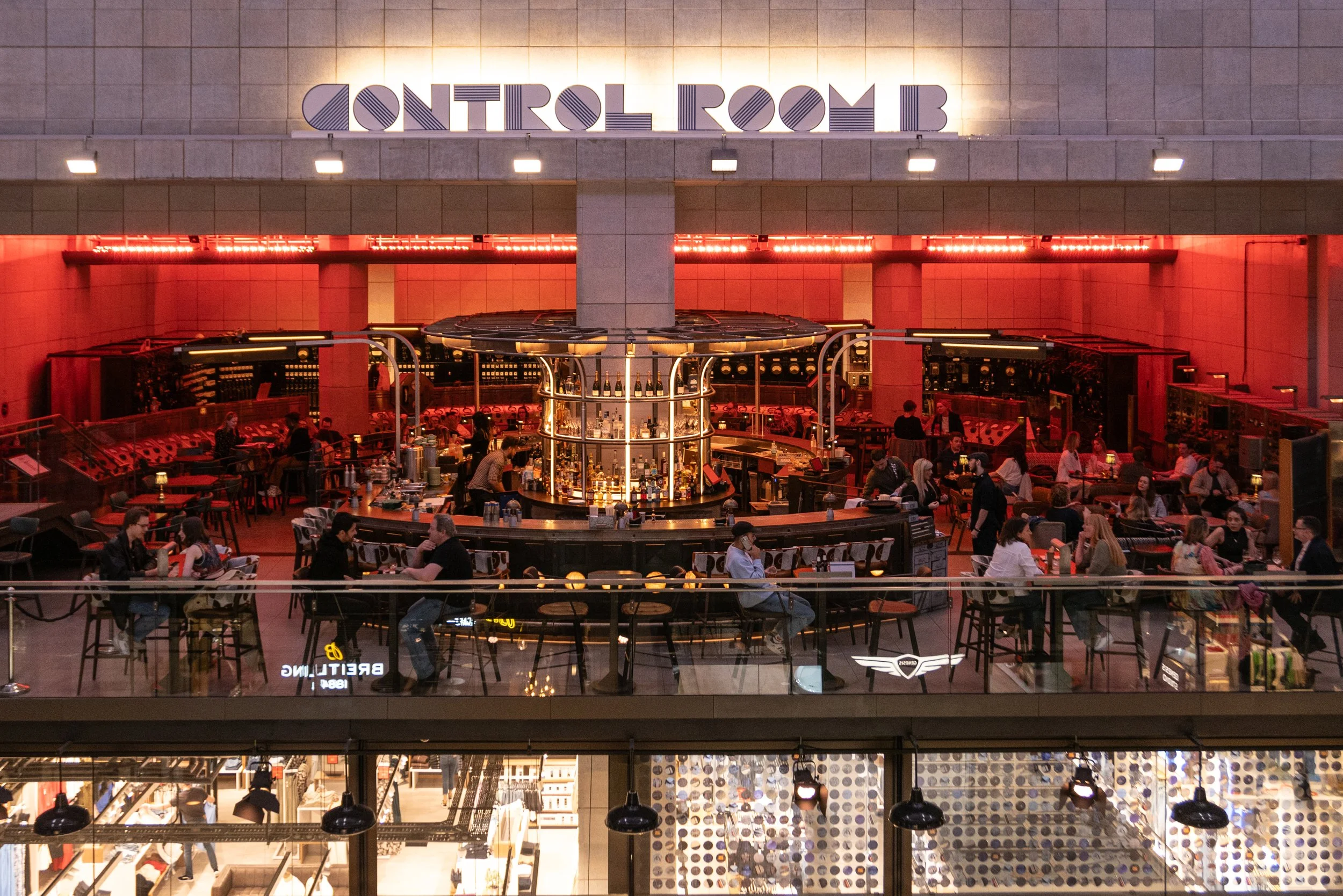
Control Room B converted into a bar, Battersea Power Station – bCLPhoto

Control Room B Bar interior detail, Battersea Power Station – bCLPhoto
It finally reopened to the public in October 2022 as a mixed-use neighbourhood: shops, restaurants, Apple's UK headquarters, and hundreds of residential apartments. The transformation is remarkable. And yet the bones of the original building — the Art Deco interiors, the industrial ironwork, the sheer physical presence of the place — have been carefully preserved. Standing inside, it never feels like a mall. It still feels like Battersea.
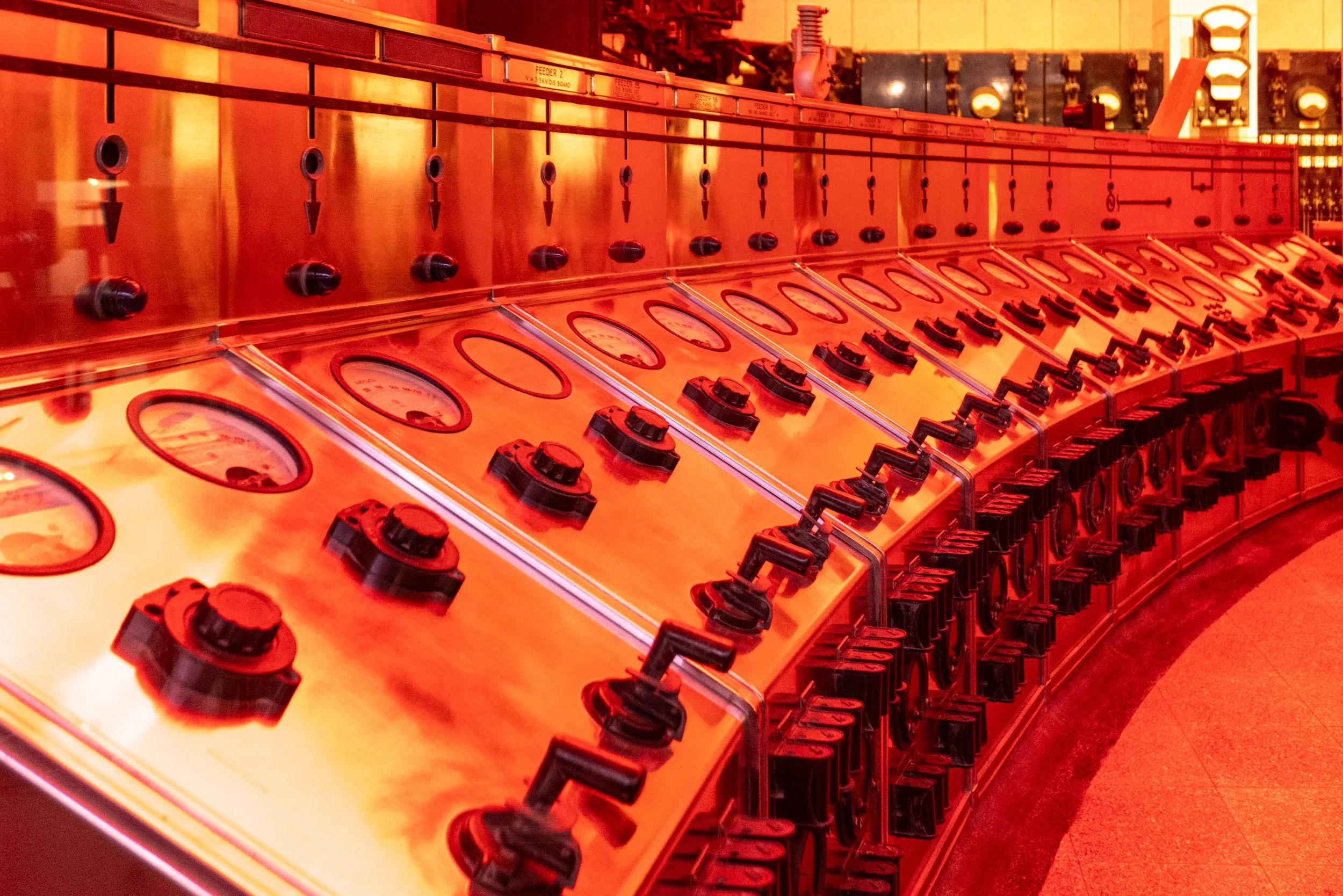
Architectural detail inside Battersea Power Station, London – bCLPhoto
Getting There
If you have time, take Lift 109 — a glass elevator that runs up inside one of the original chimneys to a viewing platform 109 metres above the ground. The views over London are extraordinary, and the ascent itself is worth photographing: the industrial structure of the chimney rising around you, the city opening up below. It's one of those moments that reminds you why you carry a camera everywhere.
Battersea Power Station has its own Zone 1 stop on the Northern Line. Shops are open Monday–Saturday 10am–9pm, Sunday 12pm–6pm. Cafés and restaurants often open earlier and close later.
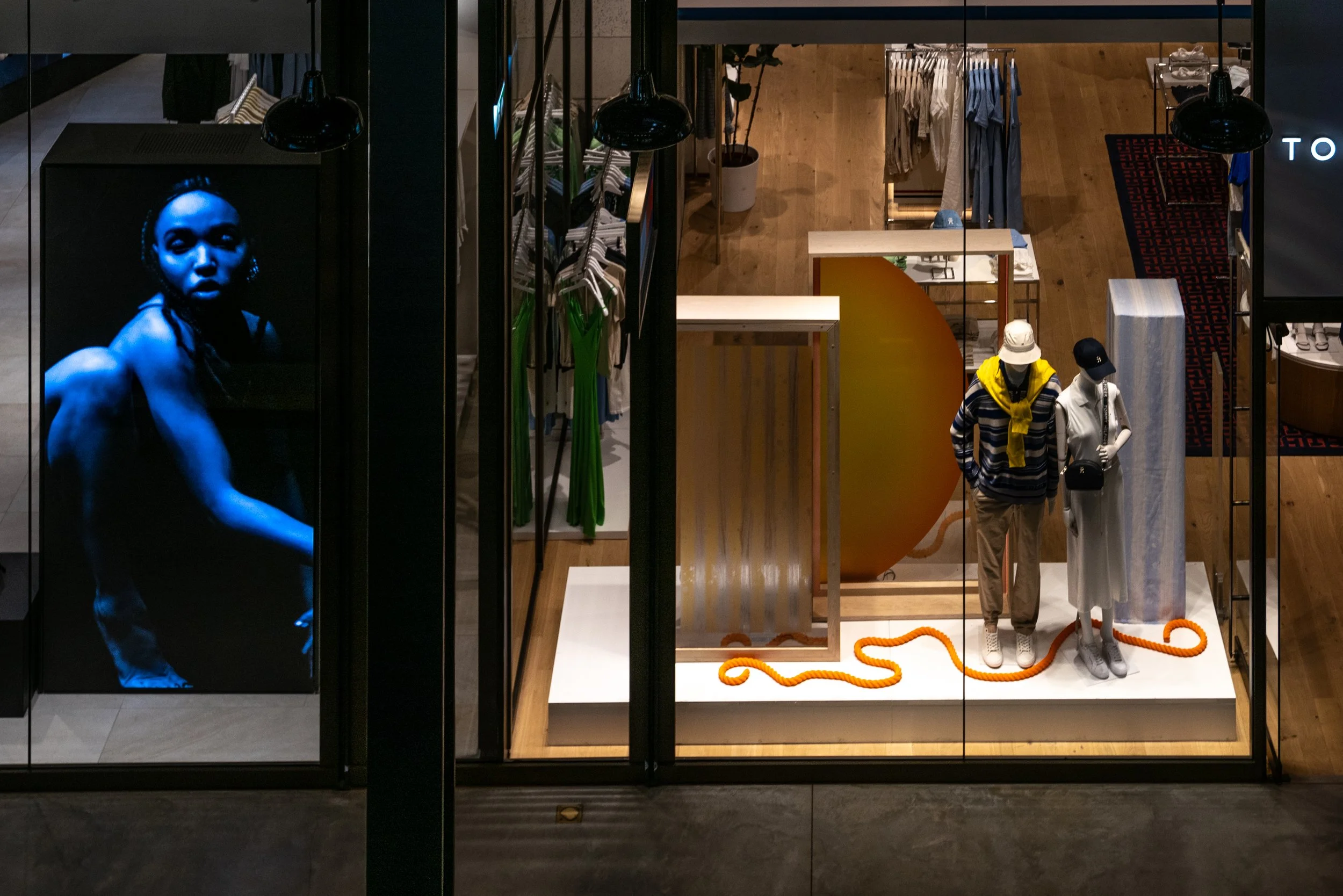
Gallery space inside the renovated Battersea Power Station – bCLPhoto
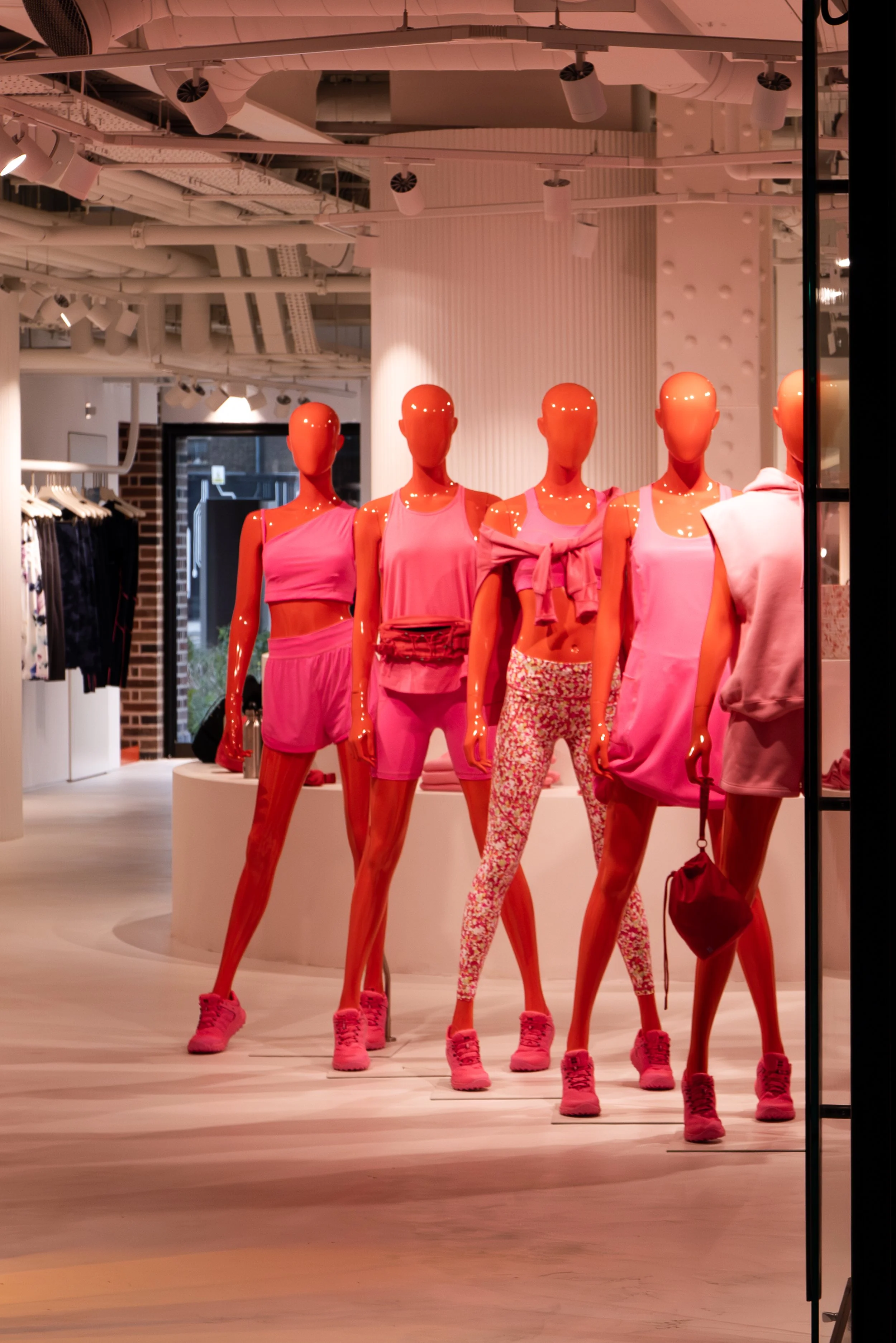
Opening Hours
Battersea Power Station has its own Northern Line stop.
Check opening hours on the official site before you go.

Exterior of Battersea Power Station at dusk, London – bCLPhoto
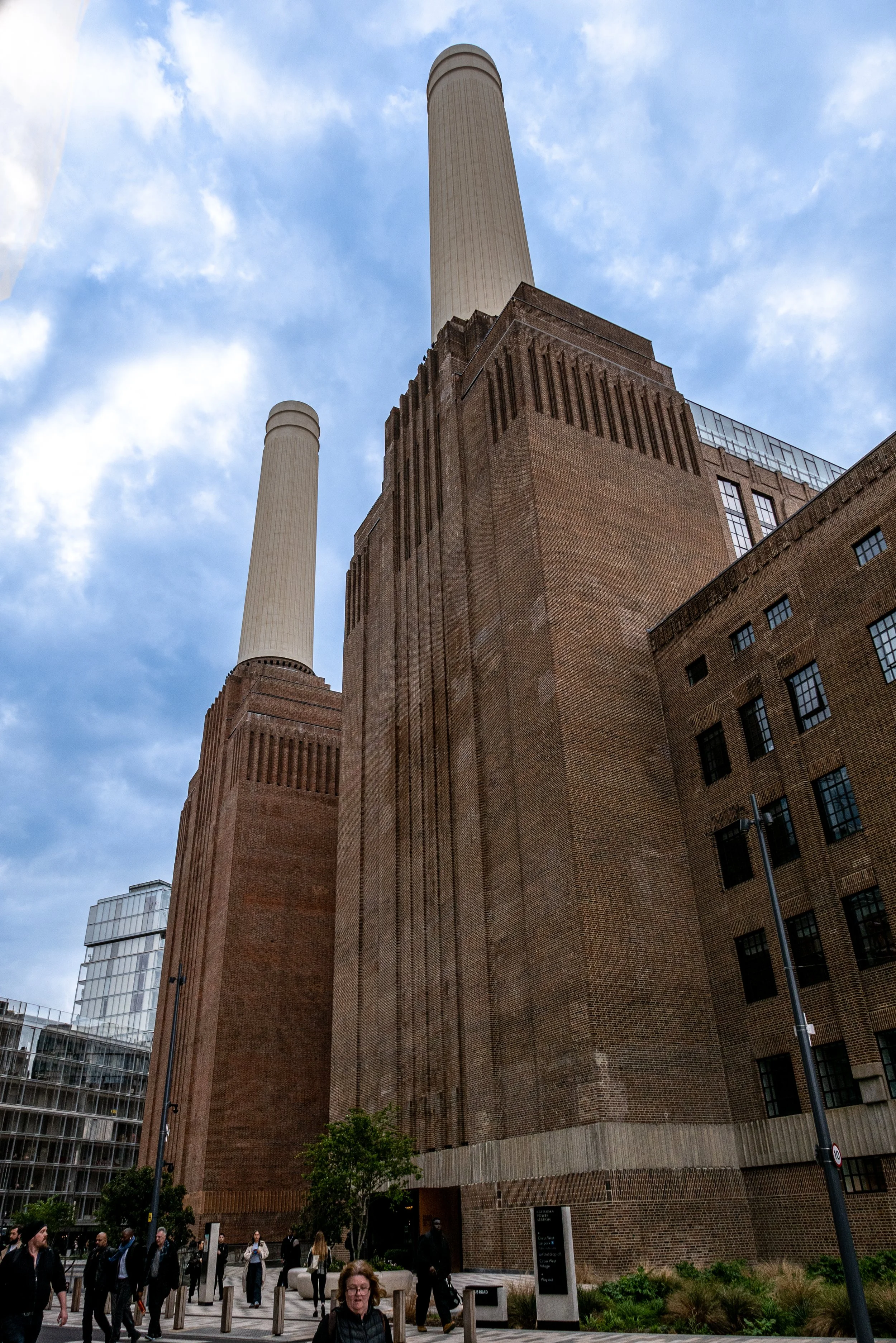
Battersea Power Station riverside view, London – bCLPhoto
GETTING TO BATTERSEA POWER STATION: THE TUBE
Battersea Power Station has its own stop on the Northern Line (Zone 1). If you prefer to walk, Sloane Square is about 12 minutes away across Chelsea Bridge. Check the TfL Journey Planner for current routes and the official website for opening hours.
Battersea pairs well with other architectural photography on the blog — see The City of Arts and Sciences in Valencia for another building that redefines what a public space can look like, or Hamburg: A City Built on Bridges for more industrial scale turned photographic subject.
See more urban architecture photography in the portfolio.
Like these images?
These photographs are available as signed, numbered fine art prints on archival paper. See sizes and order →
Cosme Lapena is a Barcelona-based street and urban photographer and founder of bCLPhoto.
Exhibited at espai [b] since 2010 · Published in The Eye of Photography and 35mmc. Browse the portfolio or read more on the blog.