ORIGINALLY PUBLISHED APR 2023 — UPDATED MAY 2026
Howth — A Day at the Edge of Dublin Bay
Some day trips earn their place in memory not because everything went perfectly, but because everything added up — the journey, the landscape, the cold, the climb, the fish and chips eaten somewhere warm at the end of it all. My day in Howth, the old fishing village at the northern edge of Dublin Bay, was one of those.
I took the DART from Dublin city centre — one of those train journeys that earns its ticket price in views alone. The line hugs the coast as it heads north, and by the time Howth comes into view the sea is right there beside you, grey and restless under an Irish sky. The whole trip takes barely half an hour, yet stepping out by the fishing harbour felt like arriving somewhere much further away.

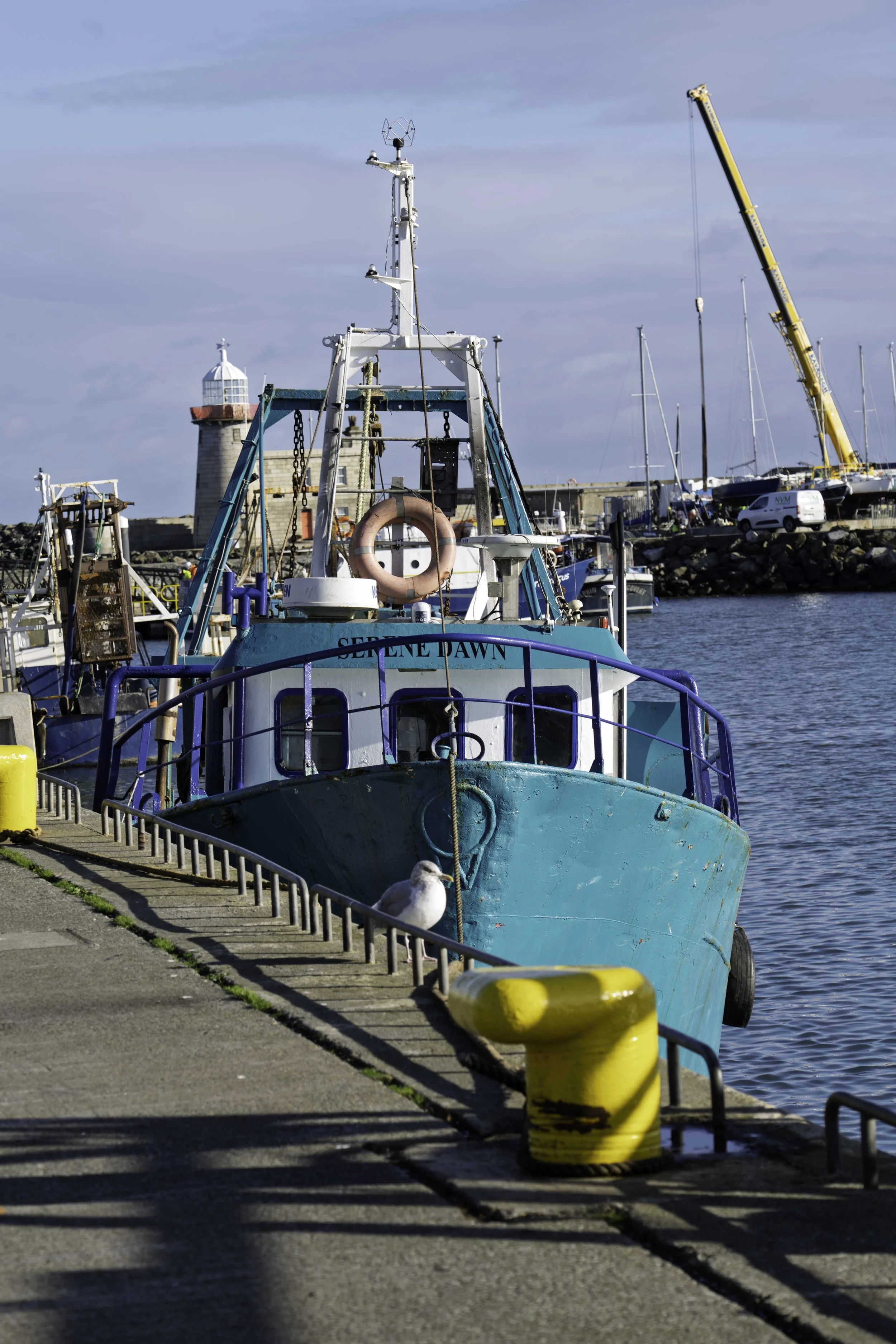
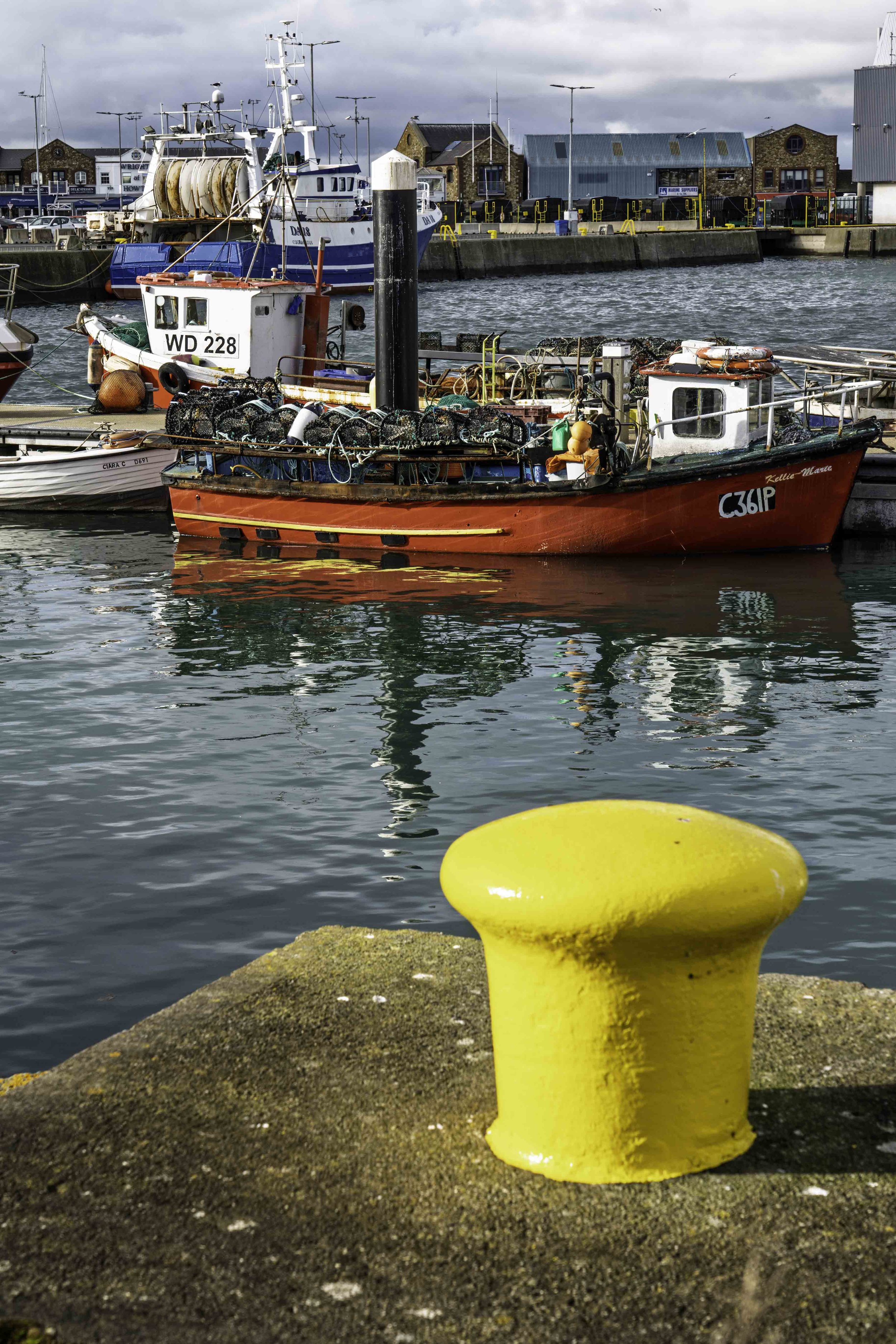
Fishing boats in Howth harbour, the fishing village on Dublin Bay, Ireland — Sony a7R IV
The Village
Howth sits at the tip of a rocky peninsula that juts into Dublin Bay, and it wears its fishing village identity with no particular self-consciousness. The harbour is working, not decorative — boats moored in rows, ropes and nets, the smell of salt and diesel. I walked the waterfront with my camera before the clouds decided what they wanted to do, getting frames of the boats and the pier before the light changed again.
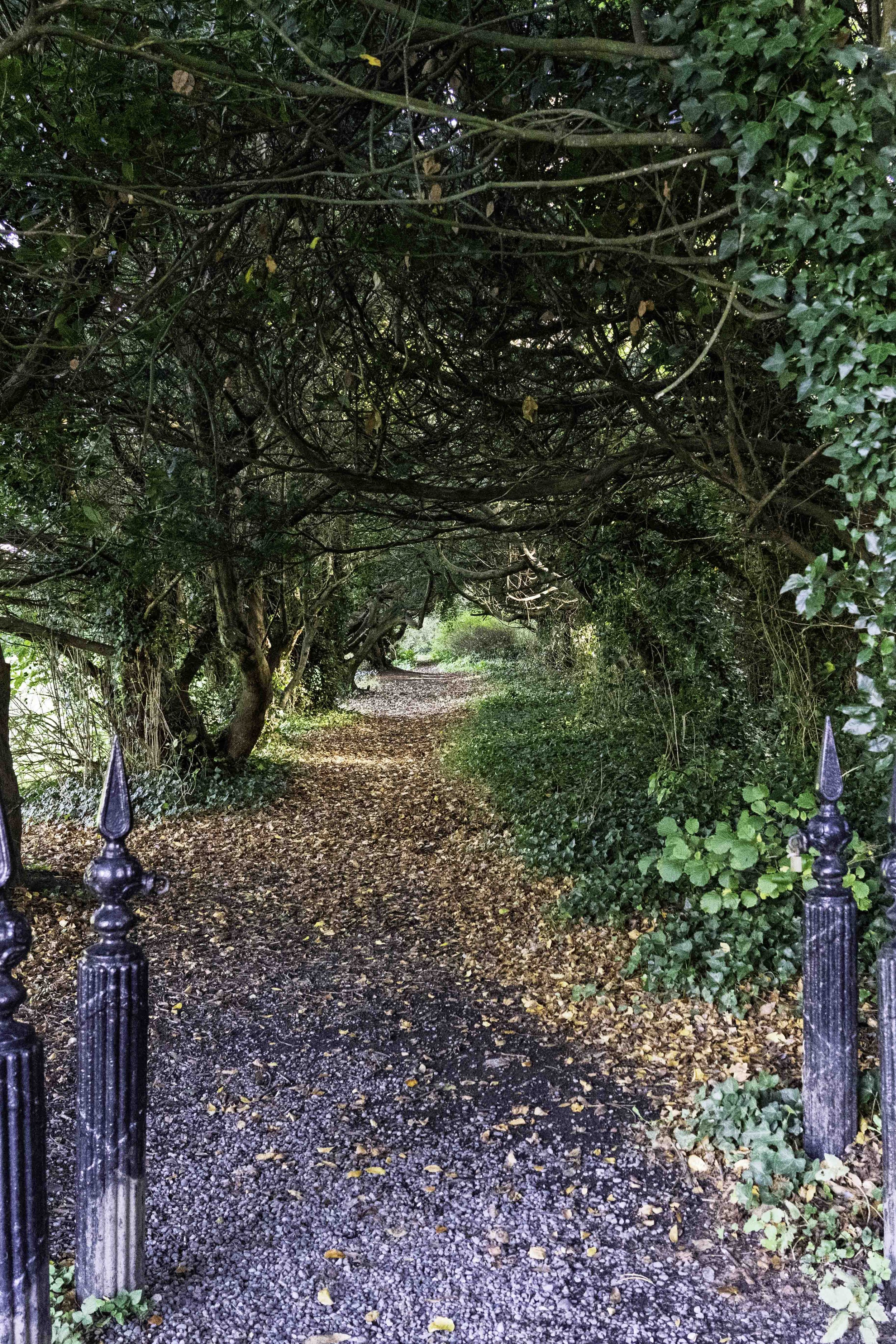
The castle surprised me. Howth Castle is a medieval pile that has been continuously inhabited since the 12th century, half-hidden behind trees at the edge of the village. It doesn't announce itself. You turn a corner and there it is, moss-covered and entirely indifferent to the passing centuries. The grounds are open to wander freely — including Aideen's Grave, a prehistoric dolmen hidden among the trees that stops you in your tracks.

The Climb
I'd been told about the cliff walk. What I hadn't fully processed was that "walk" in Irish coastal terms can mean something rather more demanding than the word suggests. The path climbs steeply from the village to the summit — Ben of Howth — and by the time I reached the top, my legs had a clear opinion about the whole enterprise.
It was completely worth it.
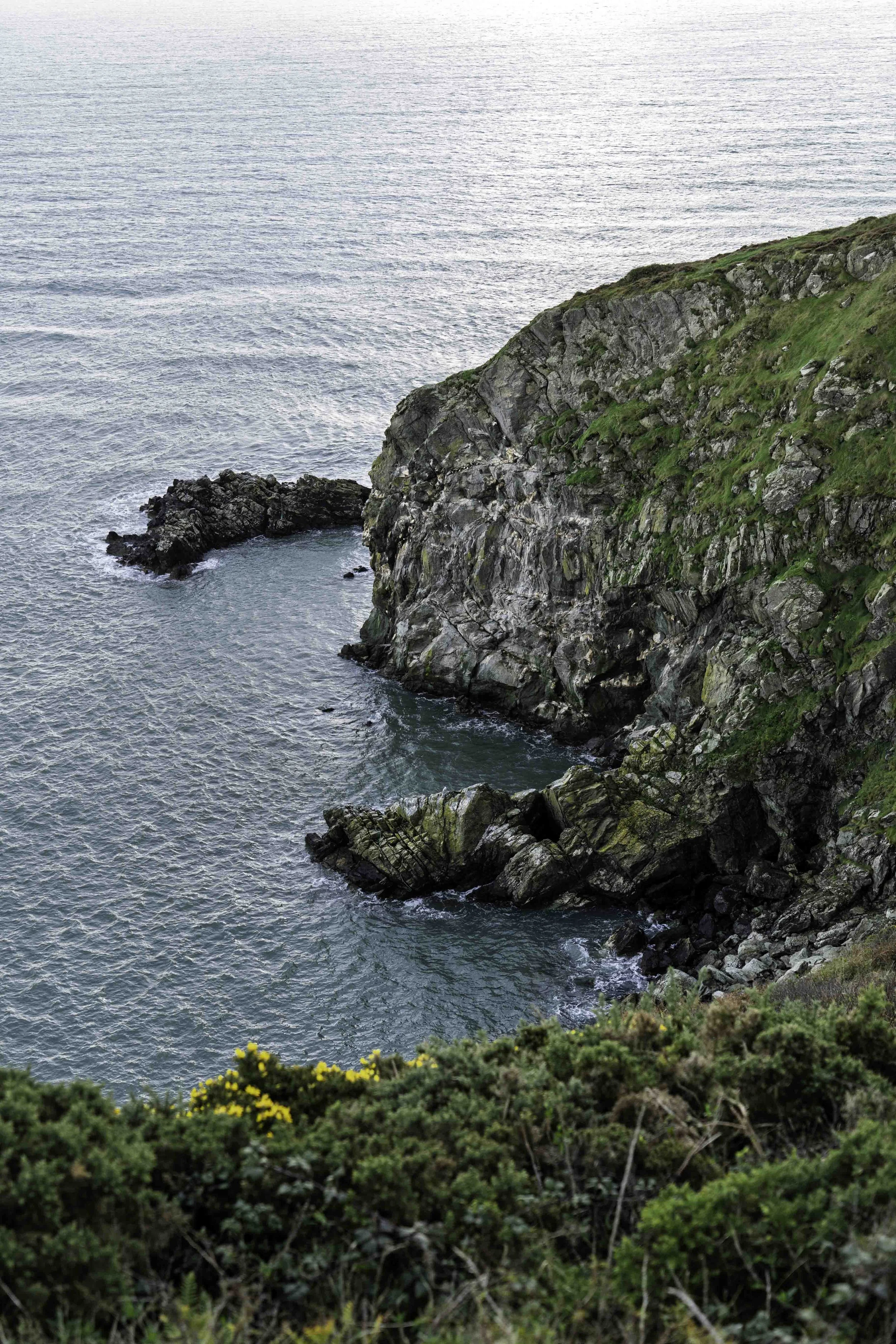
From the top, the views over Dublin Bay stretch in every direction — the city to the south, Ireland's Eye rising from the water to the north, and below you the cliffs dropping into a sea that couldn't decide between green and grey. The Baily Lighthouse sits at the far tip of the headland, white against the rock. I stood there longer than I'd planned, waiting for the light to do something interesting. It obliged, briefly, and then the clouds closed back in.
At one point, between showers, a rainbow appeared over the hills. I got the shot. Ireland delivered.
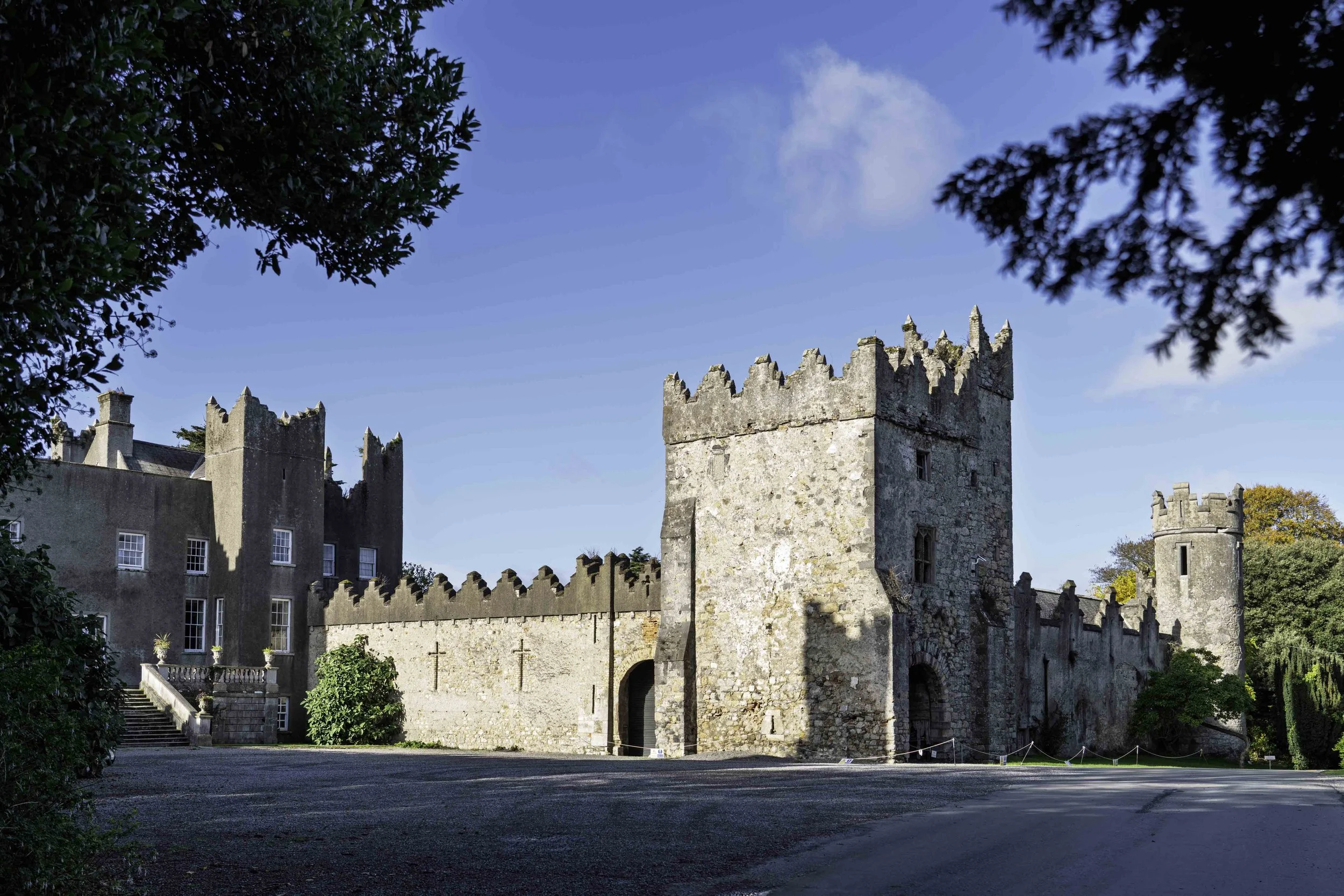
Howth Castle, the medieval estate above Howth village, Dublin — Sony a7R IV
Fish and Chips
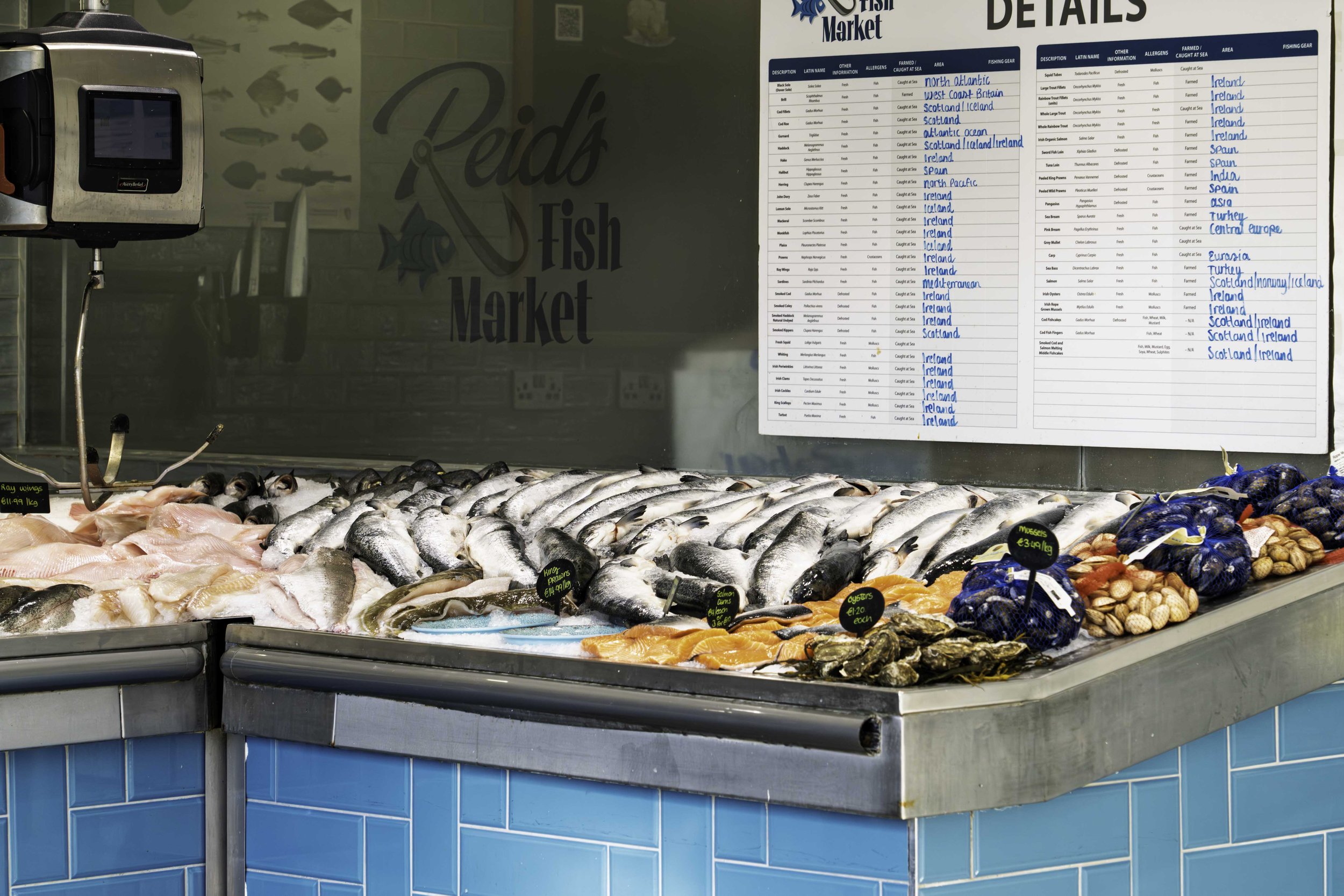
There is a correct way to end a day of walking coastal headlands in cold, changeable weather, and it involves sitting somewhere out of the wind with a paper-wrapped portion of fish and chips. Howth's are excellent — the fish fresh from the harbour, the batter properly crisp. I ate slowly and thought about how the day had gone.
These are the days that stay with you. Not the days when everything is easy and the light is perfect and you come home with a full card of clean frames. The days when you climb further than you intended, get caught in a shower, and find a rainbow waiting on the other side.

Baily Lighthouse at the tip of Howth Head on the Dublin coast — Sony a7R IV
Highlights & Things to See
1. Howth Cliff Walk The path climbs steeply from the village to the summit — more demanding than the word "walk" suggests, but the views over the Irish Sea and the cliffs justify every step. Don't rush it.
2. Howth Harbour & Lighthouse A working fishing harbour, not a prettified one. Walk to the end of the pier on a grey day and you'll understand why Irish painters have been obsessed with this light for centuries. Seals often show up near the boats — keep an eye out.
3. Howth Castle & Grounds Medieval, moss-covered, and wonderfully indifferent to tourists. The grounds are open to wander freely — including Aideen's Grave, a prehistoric dolmen hidden among the trees that stops you in your tracks.
4. Martello Tower & Hurdy Gurdy Museum A 19th-century defensive tower now housing a collection of vintage radios and broadcasting equipment. Eccentric, charming, and completely unexpected — one of those places that makes you glad you didn't just follow the main path.
5. Howth Market Small, local, worth a stop. Particularly good on weekends, with baked goods and street food that pair well with the sea air.
6. Ireland's Eye Boat Trips The small island visible from the harbour. Short boat rides run regularly — good for birdwatching and coastal photography, and a completely different perspective on the headland you've just walked.

Ireland's Eye island seen from the Howth cliff walk, Dublin Bay — Sony a7R IV
Getting There
Howth is served by the DART from Dublin city centre — Connolly, Tara Street, or Pearse stations, northbound to the end of the line. The journey takes around 30 minutes and runs frequently throughout the day. No need to hire a car or book in advance — just turn up and get on.
Check current times on the Irish Rail website
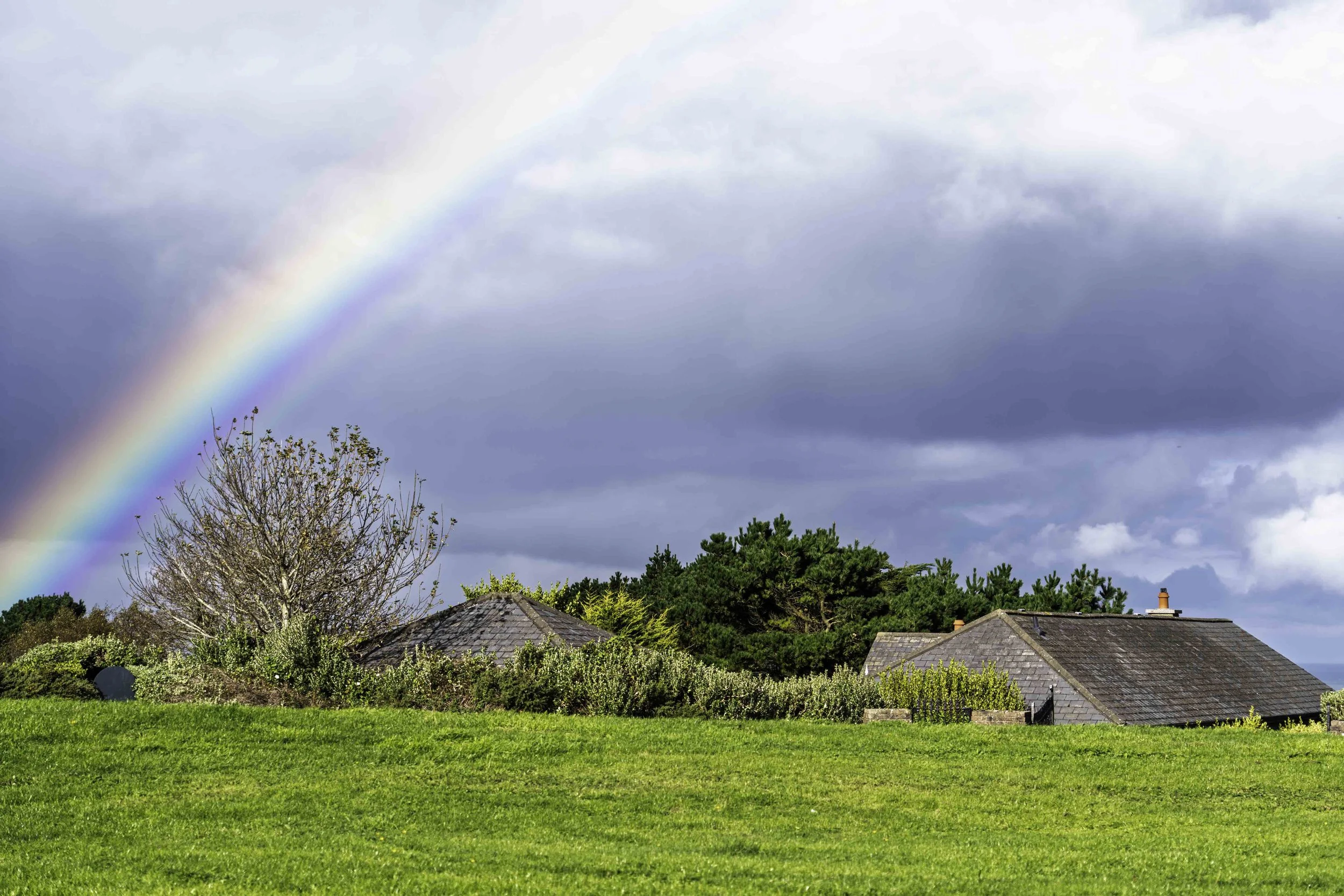
Rainbow over the hills of Howth village, Dublin — Sony a7R IV
Howth sits at the end of the DART line — easy to reach, hard to leave. For more coastal and landscape photography, Giant's Causeway shows what happens when the Atlantic meets the Irish coast at its most dramatic. For more travel photography from the British Isles, Battersea Power Station offers a very different but equally photogenic subject.
See more travel photography in the portfolio.
Every photo on this site can be printed on archival paper and signed by hand. Browse prints →
Cosme Lapena is a Barcelona-based street and urban photographer and founder of bCLPhoto.
Exhibited at espai [b] since 2010 · Published in The Eye of Photography and 35mmc. Browse the portfolio or read more on the blog.